Interview
Profile
Elena Malíková works at the Government Office of the Slovak Republic and has extensive managerial experience in civil service. Former Director of Department of Education and International Affairs at the Ministry of Education, Science, Research and Sport of the Slovak Republic (2007 – 2017), Chair of the Council Working Party on Sport under the Slovak Presidency of the Council of the European Union (2016), Head of Department of Education at the National Sport Centre in Slovakia (2004 – 2007).
Non-governmental work comprises both professional and voluntary activities, notably within the International Modern Pentathlon Union – an appointed member of the Pierre de Coubertin Committee and elected member of the Business Affairs Committee (2004 – 2008), Secretary General of the Slovak Modern Pentathlon Association (1993 – 2003), Chair of the Slovak Olympic Academy (2021 – 2024). Since 2024, she is a member of the European Olympic Academies Commission for Development and Cooperation.
Awarded by Trophy of the International Olympic Committee on Olympic sport and literature (2001), Editor-in-chief of the National Sport Centre Revue (2004 –2007), Jury member of the EU #BeInclusive Award of the European Commission (2017) and the EU #BeActive Award of the European Commission (2022), author of publications and press articles on sport, social inclusion, values and Olympic education.
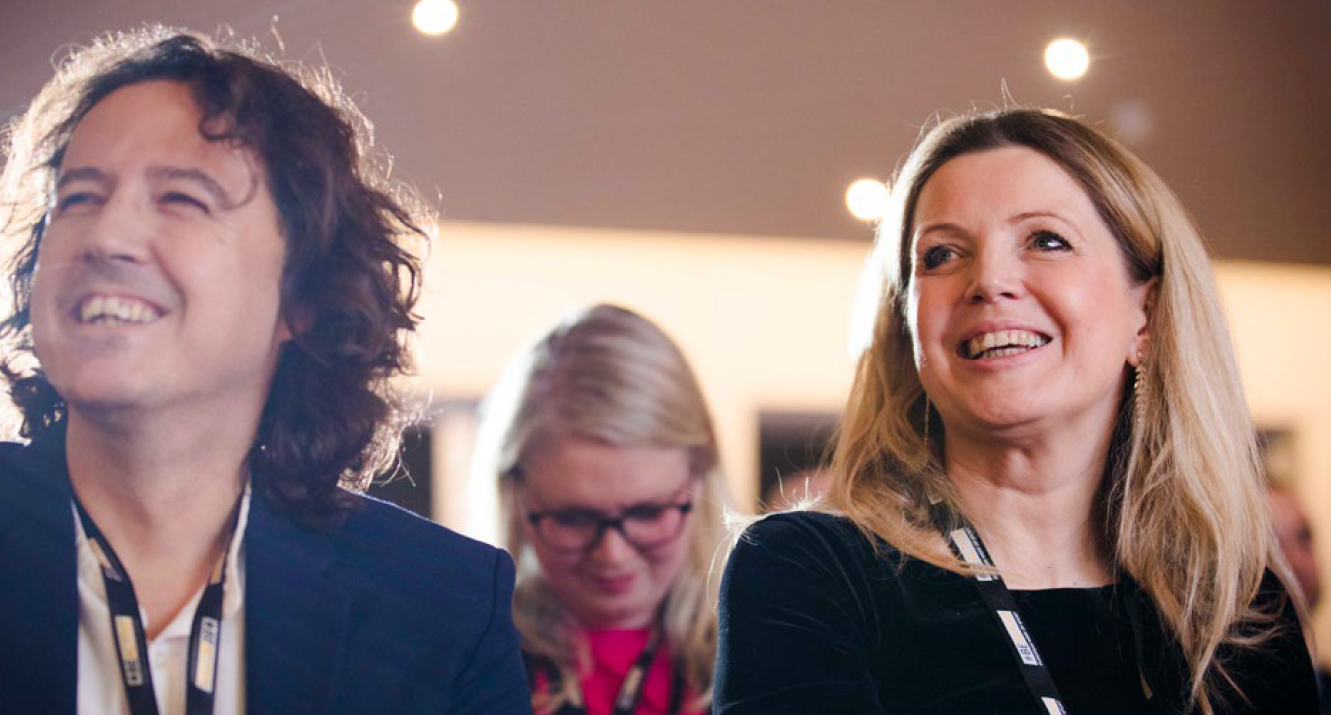
Photo: Elena Malikova private collection
Passionate for intercultural dialogue, sport diplomacy and foreign languages, fluent in English, French, Russian, with sound knowledge of Polish, German and Japanese. Interested in sport and health enhancing physical activities, notably swimming and running, inclusive marathons. Proud finisher of three marathons in New York, USA (2005), Treviso, Italy (2006) and Bratislava, Slovakia (2007) alongside with two half marathons in Cancale Saint Malo, France (2005) and Vienna, Austria (2025).
Former high-level modern pentathlete, member of the national team of Czechoslovakia, later of Slovakia (1988 – 2000), a multiple national champion and World Cup finalist, participated in numerous foreign camps, including an educational and training camp at Trinity University in San Antonio, Texas (1990).
Graduated at the University of Economics in Bratislava, educational background covers post gradual French language specialisation “Le Français du sport” at the Université Michel de Montaigne in Bordeaux and studies in sports management at the University of Poitiers, France focusing on Executive Masters in Sports Organisation Management – MEMOS programme guaranteed by the International Olympic Committee.
How were you selected as Chair of the WPS? What internal procedures or criteria influenced this decision?
The Ministry of Education, Science, Research and Sport of the Slovak Republic appointed the Chair based on expertise in EU sport policy, knowledge of the sports environment, communication and negotiation skills, linguistic abilities, and a diplomatic approach. At the time, I was Director of the Department of Education and International Affairs and was nominated by the Minister upon the Sports General Director’s proposal. Serving as WPS Chair was an honour and allowed me to contribute to European sports policy while managing my departmental duties during the Slovak Presidency of the Council of the EU.
What aspects of your preparation were most crucial to the success of your presidency?
A key aspect of my preparation was specialized training in EU policies, particularly the practical EU Presidency skills programme offered by the Institute of European Public Administration. This training provided essential strategies for managing the complexities of an EU Presidency, with a strong focus on leadership, negotiation, and collaborative decision-making skills that proved invaluable in achieving meaningful results during the presidency.
What training and preparatory activities did you undertake before starting the presidency?
Several key activities contributed to a well-prepared presidency. Having served as a WPS representative since 2010, I had gained insights into its working methods and built strong relationships with EU counterparts, fostering a cooperative environment. Comprehensive training by the Institute of European Public Administration, along with language, negotiation, and communication courses, strengthened my skills. Engagements with the Council Secretariat, European Commission, and informal networking events, including sports activities, further supported collaboration and the presidency’s success.
Which preparatory initiatives did you find most beneficial?
It was not a single initiative but the combination of structured training, policy discussions, and relationship-building activities that proved most valuable. Together, they provided a well-rounded foundation and thoroughly prepared me for the challenges of the presidency.
What motivated you to take on the role of WPS Chair?
The opportunity to lead the WPS and shape the EU sport agenda at the governmental level was unique and irresistible. It offered a chance to challenge myself, guide discussions among EU Member States, and build consensus on important issues. Curiosity and the desire to explore new perspectives further motivated me. Looking back, this experience remains a highlight of my professional career.
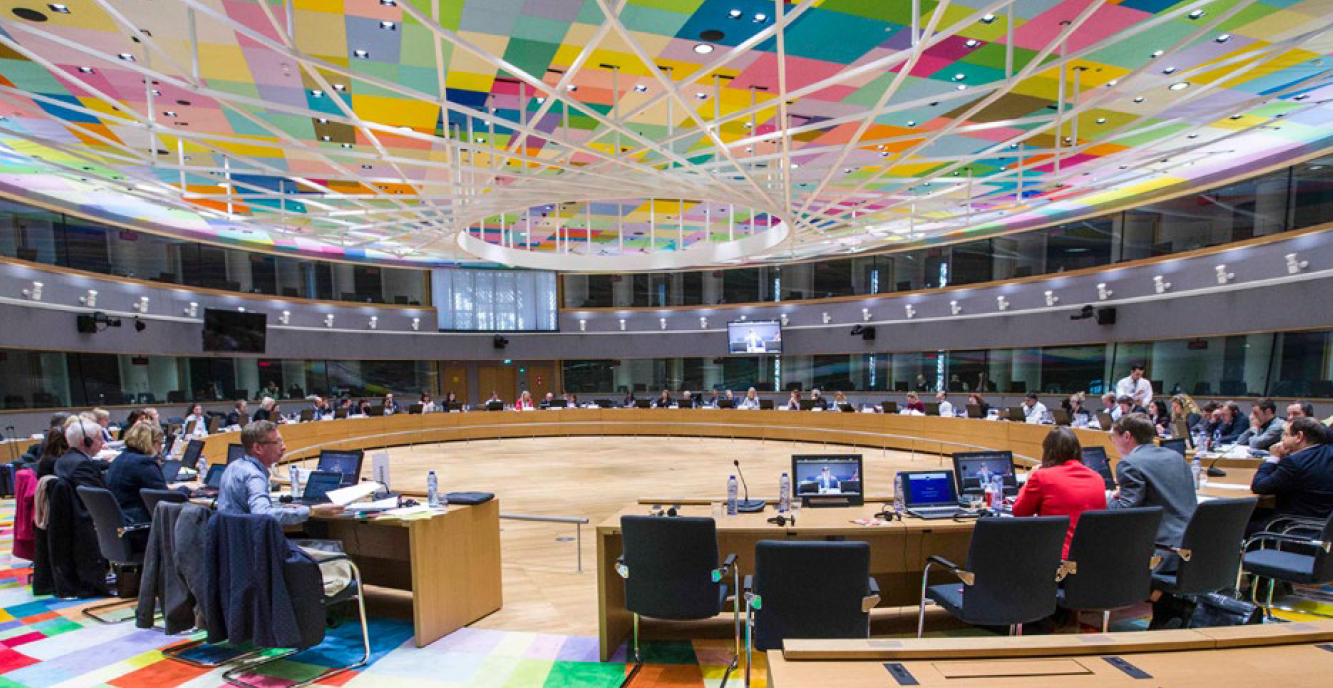
Photo: Elena Malikova private collection
Was your presidency Brussels-based or capital-based?
The 2016 Slovak Presidency of the Council of the EU in sport was capital-based, which posed its own challenges. Frequent travel between Bratislava and Brussels and managing responsibilities across multiple locations demanded flexibility and careful coordination, making it one of the most demanding aspects of the role.
Did you introduce any new initiatives or practices during your presidency?
One initiative I remember particularly fondly was the final Working Party on Sport under my leadership in Brussels in December 2016. Held in the Europa Building as a test event just before its official opening, the meeting offered a rare opportunity to be among the first officials to explore the new venue. While our primary focus was on the agenda, we also had to assess the building’s functionality – from interpreter setups and microphones to signals, lighting, and other technical aspects. Despite several technical challenges that arose during our discussions, the meeting proved highly successful and, I believe, a deeply rewarding experience for everyone involved.
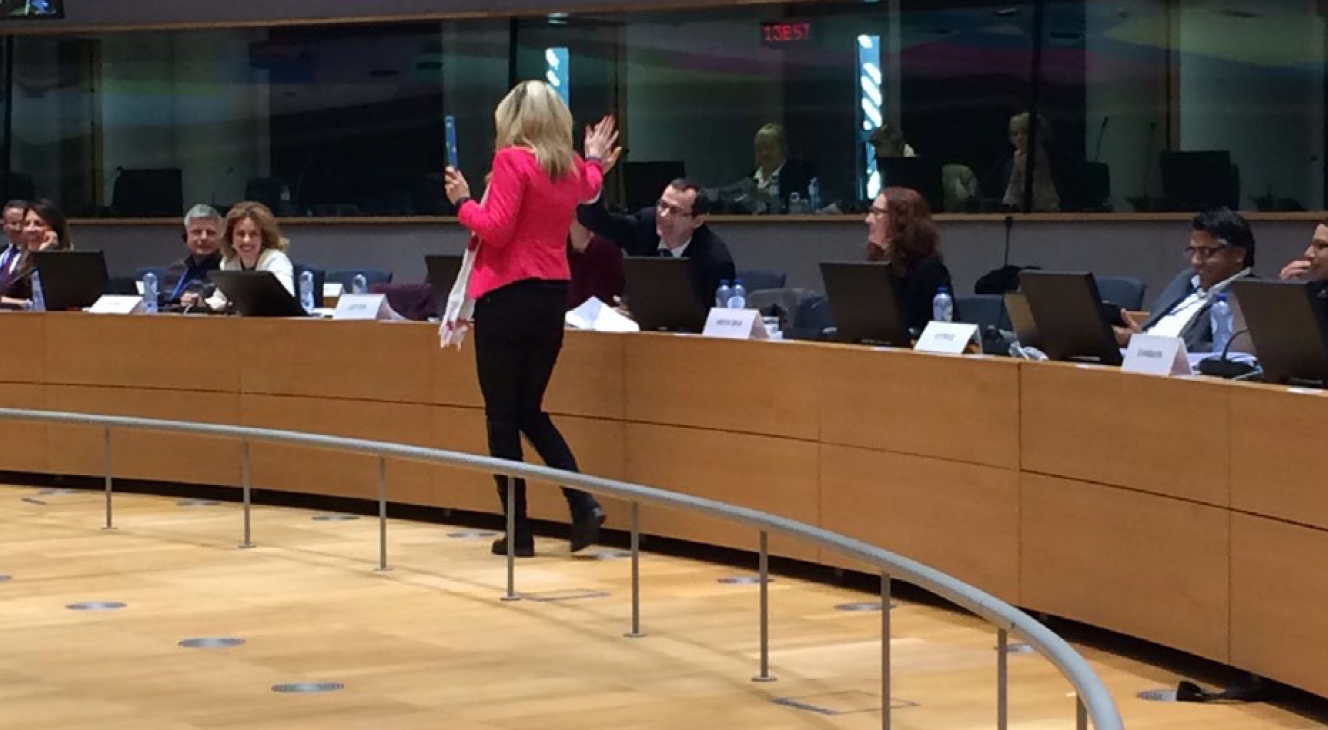
Photo: Elena Malikova private collection
We also added a creative twist to the baton relay handover, a tradition that began during the Polish Presidency. For the first time, we introduced a brief “sports choreography” with Dermot Galea from Malta, the incoming Chair for 2017. Circling the table in the Europa Building - one of us inside, the other outside – we high-fived each delegation, infusing the transition with energy and a personal touch. The baton passed in a genuinely sporting spirit, accompanied by our brief messages: mine expressing gratitude for the work accomplished, and Dermot’s extending goodwill for future cooperation. This unforgettable moment remains deeply impressed in my memory, and every time I see EU leaders in that same room on television, it brings it all vividly back.
The event gained an extra touch of charm as it took place on the eve of St. Nicholas Day, also known as the Feast of St. Nicholas (in Slovak Mikuláš), celebrated on 6 December. To mark the occasion, I wore a Mikulášska čiapka – a Nicholas cap – while chairing the session and handed out chocolates to each delegation. It was a small but warm gesture that, I hope, brought smiles and made the meeting genuinely memorable.
What were the main challenges you faced during your presidency? What do you consider as your success?
The work during the Slovak Presidency was highly challenging, and I am sincerely proud of the consensus we achieved among EU Member States on the proposed Council conclusions on sport diplomacy. This document represented the first common position on sport diplomacy within the EU, marking a significant contribution to European sports policy and laying the groundwork for future initiatives. In this regard, I consider my role in the Slovak Presidency one of the highlights of my professional career. Chairing the Working Party on Sport and being at the centre of discussions on sport diplomacy was a unique and rewarding experience, and I am grateful for the opportunity as well as the dedication of all counterparts involved.
The most significant challenge, however, was managing the demanding timetable and heavy workload – a common experience, I believe, for many former WPS Chairs.
What key lessons did you learn over the six months?
The most important lesson I learned during those six months was to never give up, no matter how challenging the situation became. Those days were undoubtedly extremely demanding, yet I am grateful for the experience. I am also pleased that I remained true to my mantra - approaching life with a smile. This mindset helped me overcome obstacles and maintain a positive outlook throughout the presidency.
How did the presidency influence your professional career?
The presidency had a profound impact on my career, broadening my perspective on the EU sport agenda and deepening my understanding of the governmental sector’s connection to sport. It improved my written and verbal communication, particularly in analysing complex documents and understanding the nuances behind Member States’ positions. Beyond professional skills, the experience was life-changing, strengthening me and deepening my appreciation for friendship, respect, and collaboration.
What is your view on the position of sport within the agenda of the European Union? What are the most significant achievements in EU sports policy over the past 15 years?
Having represented Slovakia in EU sport meetings since 2007, I have personally witnessed how sport evolved from an informal topic to a recognized and respected policy area. For me, the Lisbon Treaty in 2009 was a turning point, giving sport legal status and strengthening its role in EU decision-making. Seeing the establishment of the Working Party on Sport and the formal inclusion of sport in the Council’s structure demonstrated how far the EU had come.
I value initiatives such as the European Week of Sport, Erasmus+, and the EU Work Plan for Sport not just for their policy impact, but because they promote inclusion, fair play, and active participation – values I deeply care about. During the Slovak Presidency, the Council Conclusions on Sport Diplomacy particularly resonated with me, highlighting sport as a bridge for international cooperation and cultural exchange.
From my perspective, these milestones show that sport is not only a policy tool but also a way to connect people, strengthen communities, and build mutual understanding across Europe and beyond.
What recommendations would you offer to future WPS Chairs?
I would encourage future WPS Chairs to approach the role with confidence, as if stepping onto a stage where every decision matters. Hold firmly to your vision, but treat challenges and unexpected changes as invitations to adapt and grow. Listen actively, build genuine connections with colleagues, and remain open to new perspectives. Balancing resolve with flexibility is what transforms the demanding role of Chair into a deeply rewarding and impactful experience.
What do you consider the highlight of your presidency?
The highlight of the Slovak Presidency was undoubtedly the adoption of the Council Conclusions on Sport Diplomacy by the sports ministers of all EU Member States. This was a significant milestone, as it formally recognized sport not only for its well-known benefits to physical health but also as a powerful tool for international relations and diplomacy. It laid the foundation for a more strategic use of sport to promote peace, cooperation, and mutual understanding across borders, leaving a lasting impact on the EU’s global approach to sport.
I am also proud that Danka Barteková and Matej Tóth, two outstanding Slovak athletes, participated as speakers at the Council in Brussels. Their involvement was remarkable, as they were, to my knowledge, the first athletes to engage directly with ministers at such a high-level forum. Their contributions highlighted the importance of including first-hand athlete perspectives in discussions at the highest levels of sport policymaking.
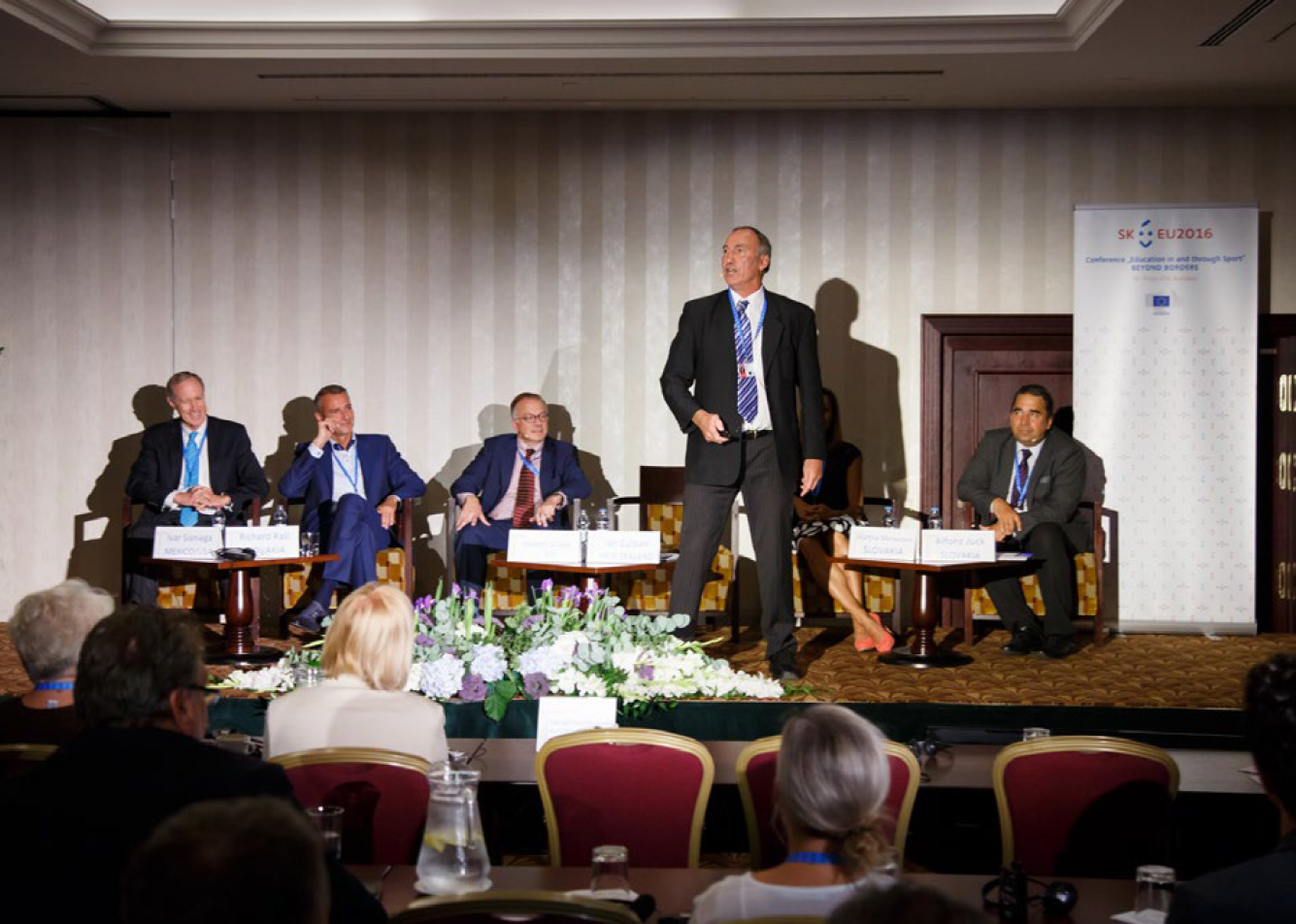
Photo: Elena Malikova private collection
How would you assess your cooperation with the European Commission?
Working with the European Commission during the Slovak Presidency was an extraordinary experience. From the very beginning, our collaboration was built on trust, openness, and a shared commitment to advancing sport in Europe. I particularly appreciated the expertise and guidance of Commissioner Tibor Navracsics and his cabinet, whose support for sport diplomacy was instrumental. The EAC Sport Unit, led by Yves Le Lostecque, became an essential partner in translating ideas into actionable initiatives, culminating in the adoption of the Council Conclusions on Sport Diplomacy in 2016 – a milestone that still resonates with me personally.
What joint activities did you develop with the Commission? What Commission-led events took place during your presidency?
One of the moments I cherish most was the European Week of Sport in Košice. It was not just a formal event, but a living demonstration of sport’s power to connect people, inspire communities, and encourage healthier lifestyles. Walking through the streets of Košice alongside athletes, and local stakeholders, I could see the energy and excitement that sport brings to everyday life. The event illustrated, in the most tangible way, how EU initiatives can resonate on the ground, and how collaboration between the Commission, Member States, and local partners can transform ideas into action. For me, this was the embodiment of sport diplomacy at its best – sport as a force for inclusion, joy, and cohesion.
How would you evaluate the support from the Council Secretariat?
The Council Secretariat was my anchor throughout the presidency. From organizing meetings and managing logistics to anticipating challenges, their support was indispensable. I especially valued the guidance of Jaroslaw Pietras, Nick Platten, and their teams, whose expertise made advancing sport diplomacy smoother and more effective. Even informal moments, like morning runs before meetings, built a sense of camaraderie and trust that I believe was crucial in tackling complex topics. My primary contact, Kari Töllikkö, was a constant source of guidance and support.
Who were your presidency trio partners and how did you collaborate?
Our trio partners, the Netherlands in 2016 and Malta in 2017, became more than colleagues – they were partners in a shared journey. Together, we aligned priorities, coordinated initiatives, and shared experiences across Brussels, the Netherlands, Slovakia, and Malta. Beyond formal meetings, our informal gatherings and exchanges created a rhythm of collaboration that strengthened understanding, trust, and ultimately the impact of our presidency. The synergy within the trio was a reminder that sport, like diplomacy, thrives on cooperation, openness, and shared vision.
When and how did you choose your presidency topics?
Selecting our presidency topics involved careful reflection and strategic discussion. Initially, we considered focusing on education in and through sport, a political priority for Slovakia and personally meaningful to me. When we learned Latvia had already chosen a similar theme, we sought a fresh and unexplored topic.
After consulting with the presidency trio, the European Commission, and the Council Secretariat, we chose sport diplomacy for the Council Conclusions. It was an emerging and challenging area, but achieving concrete policy outcomes made the effort immensely rewarding. Education was also addressed through a political debate during the Council of Ministers, which was successfully realized.
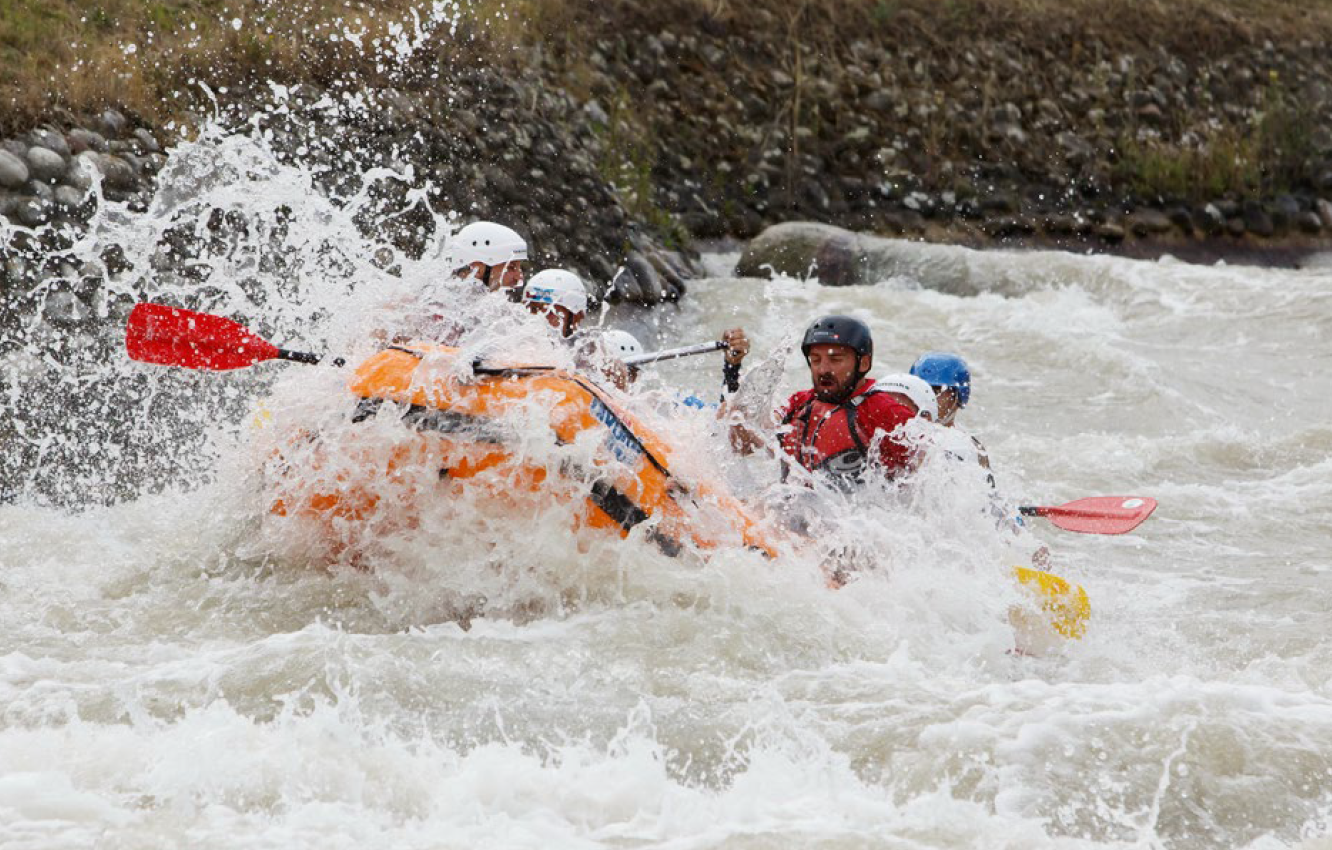
Photo: Elena Malikova private collection
What side events and sports activities were organized during your presidency? Were there any emotional moments or particularly challenging situations, and how did you manage them?
One of my greatest satisfactions during the Slovak Presidency was seeing sport and health-enhancing physical activities become a living part of our events. A highlight that still makes me smile was the white-water rafting session in Čunovo. I remember feeling a mix of excitement and nerves beforehand, unsure if participants – many high-level officials – would embrace such an informal, adventurous activity. To my delight, nearly everyone jumped in with enthusiasm. There were a few minor splashes and stumbles, of course, but the laughter, camaraderie, and teamwork that emerged made it unforgettable. It was a perfect example of how sport can break barriers and create lasting memories.
An especially moving moment came when the Slovak minister, the European Commission DG, and the Head of the Sport Unit joined Olympic champion Michal Martikán on the same boat. Watching them paddle together, united in purpose and spirit, I felt a profound sense of pride. That moment captured everything I hoped to achieve with the presidency – the power of sport to connect people beyond hierarchy, nationality, or protocol. The logistical challenge of coordinating such an event was significant, but careful planning and a focus on safety ensured it was a meaningful success for everyone involved.
Another initiative that remains close to my heart was the integration of morning sports activities into the official program. On the morning of the EU Sport Directors’ meeting, I joined delegates alongside Slovak marathoner Marcel Matanin for a run through Bratislava’s scenic highlights – from the Danube to Bratislava Castle and Sad Janka Kráľa Park. In addition, yoga sessions at meeting venues added a calm, energizing start to the day. Seeing participants laugh, stretch, and share stories before formal discussions made me realize how much these small moments humanize diplomacy and build genuine connections.
What began as an experimental idea quickly became a defining feature of our presidency. Today, seeing these activities become a regular part of EU sport events fills me with pride. It is a reminder that thoughtful integration of sport into professional life can inspire, energize, and create lasting bonds – something I personally experienced and will never forget.
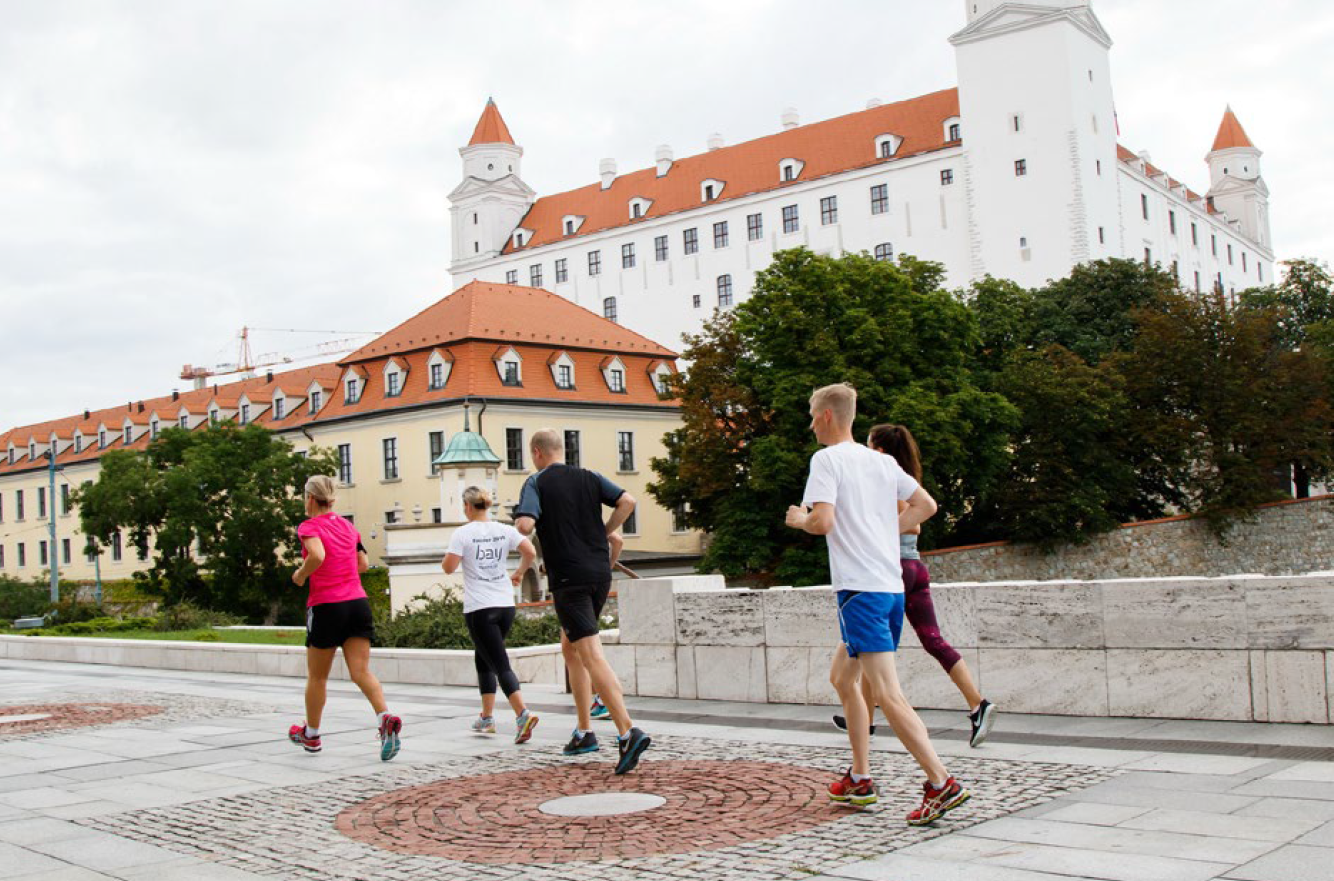
Photo: Elena Malikova private collection
Is there a legacy of your presidency’s work at the national level? What about the national perspective in terms of preparation of the Council Conclusions on Sport Diplomacy?
The legacy of the Slovak Presidency in sport diplomacy is something I hold close to my heart. Internally, our team at the Ministry of Education, Science, Research, and Sport worked closely together, ensuring a unified approach and smooth coordination with the Ministry of Foreign and European Affairs. The Department of Public Diplomacy played a pivotal role, and I am proud that a dedicated department for Sport Diplomacy was later established, carrying forward our vision.
From the very beginning, I felt the weight of responsibility, knowing that the Council Conclusions would require delicate negotiation and consensus. Support from our trio partners – the Netherlands and Malta – was invaluable, yet the process included sensitive moments, such as discussions around potential boycotts of the Rio Olympic Games. Navigating these challenges demanded patience, diplomacy, and persistence. When consensus was finally reached, the sense of relief and achievement was immense. It was not only a professional milestone but also a deeply personal one, affirming the power of careful preparation, collaboration, and the belief that sport can serve as a tool for international dialogue and cooperation.
How would you evaluate the significance of sport diplomacy during the Slovak Presidency at the EU level, and what progress has been made since then in both EU and national contexts?
From my perspective, the Slovak Presidency marked a crucial moment for the EU’s approach to international relations through sport. In 2016, sport diplomacy was still emerging and not widely recognized. By pushing for its inclusion, we succeeded in adopting the Council Conclusions on Sport Diplomacy – a significant step that highlighted sport’s potential to strengthen international relations and enhance the EU’s global standing.
Since then, sport diplomacy has become an integral part of EU policy, embedded in the EU Work Plan for Sport and actively pursued by subsequent presidencies. What began as a challenging and little-known topic has now evolved into a recognized and strategic element of EU policymaking, with the Slovak Presidency leaving a lasting mark as a key milestone in the development of sport diplomacy.
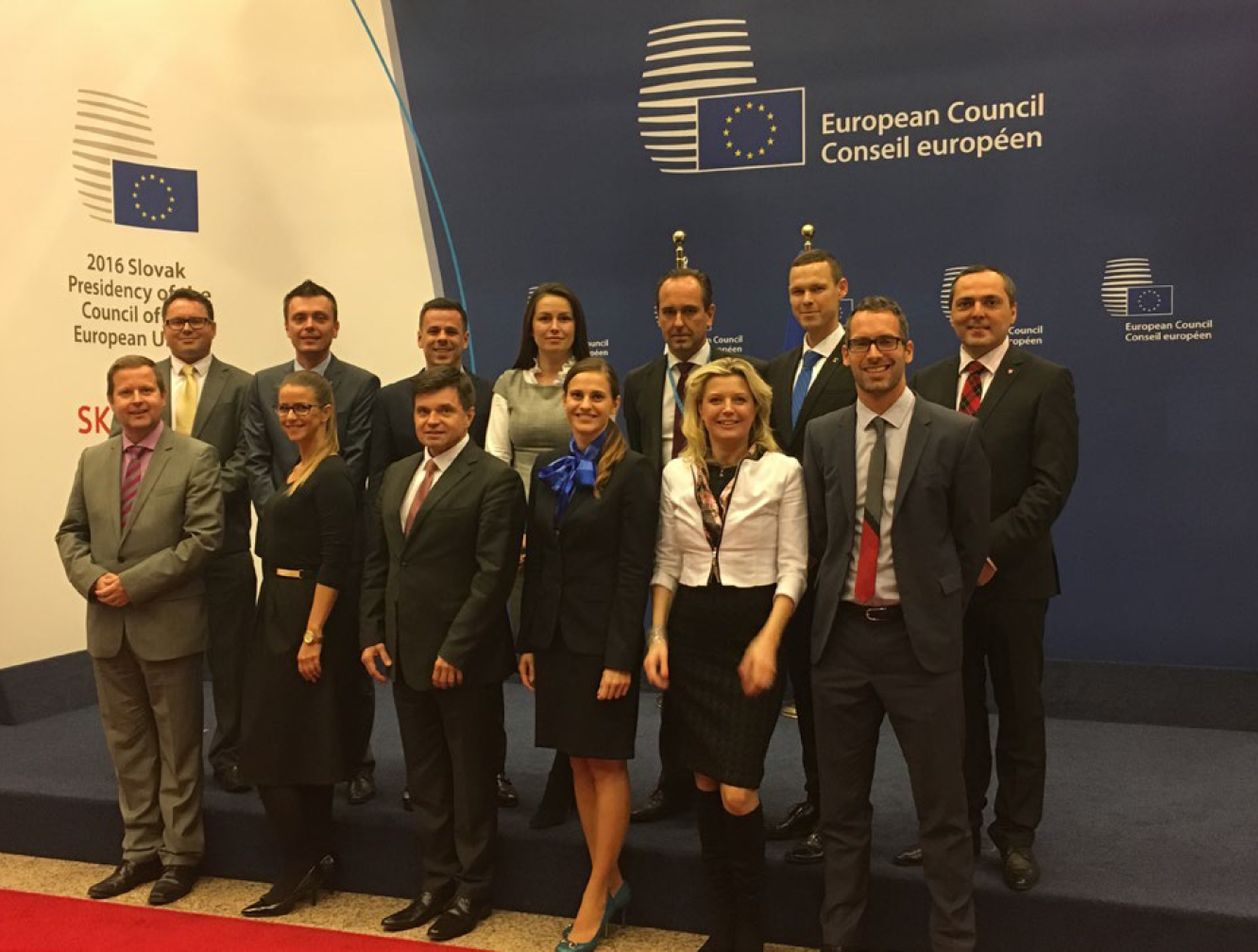
Photo: Elena Malikova private collection