Interview
Profile
Kairis Ulp served as Chair of the Council Working Party on Sport during Estonia’s Presidency of the Council of the European Union in 2017. Following the Presidency, from 2018 to 2020, she contributed to EU sport-policy development as a member of the European Commission’s Expert Group on Human Resources Development in Sport, and from 2020 to 2022, she worked as a Seconded National Expert and Policy Officer in the European Commission’s Sport Unit.
Kairis Ulp graduated in physical education and sport sciences from the University of Tartu in 1995. She began her career as Secretary-General of the Estonian Academic Sports Federation, later serving as Head of the Cabinet to the Secretary-General of the Worldloppet Ski Federation. From 1999 to 2019, she was a member of the Executive Committee of FISU and, in 2021, was awarded the title of FISU Emeritus Honorary Member, becoming the youngest person to receive this distinction.
Kairis Ulp is the co-founder of the Estonian Sports Register, the state sport database and information system of Estonia, and works as its Head at the Estonian Foundation of Sport Education and Information since 2009.
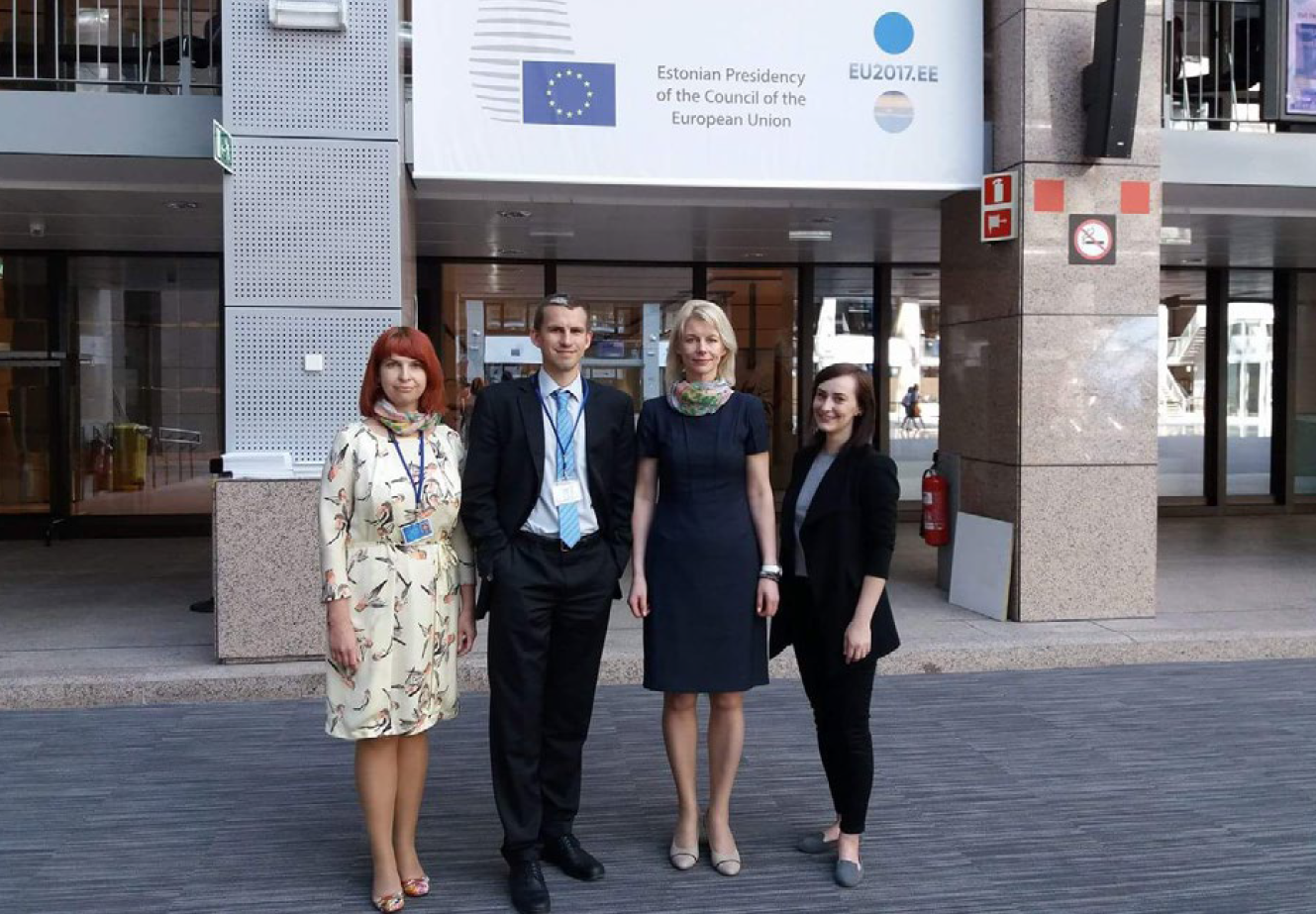
Photo: Kairis Ulp private collection
How were you selected to serve as Chair of the Working Party on Sport, and how did your prior experience contribute to your role during the Estonian Presidency?
I was approached by the Ministry of Culture as a potential Chair of the Council Working Party on Sport (WPS) about two years before Estonian Presidency. The nomination was based on my experience in international sport governance, I believe. For nearly 15 years, I served as a member of the Executive Committee of FISU, where I chaired the Winter Universiade Supervision Commission for eight years and led the working group that developed the bidding and election procedures for Universiade host cities—now known as the Summer and Winter World University Games.
This background in the international sport movement helped me understand both the strategic and operational dimensions of sport governance. In 2016, I began attending WPS meetings and completed an internship at the Permanent Representation of Estonia to the EU in Brussels. This provided valuable practical insight into Council procedures and the dynamics among EU institutions and Member States.
Estonia prepared thoroughly for its first EU Council Presidency. Coordination led by the Government Office was intensive and included training sessions and simulation exercises. These preparations strengthened our understanding of EU decision-making processes and boosted our confidence that we can effectively lead discussions at European level.
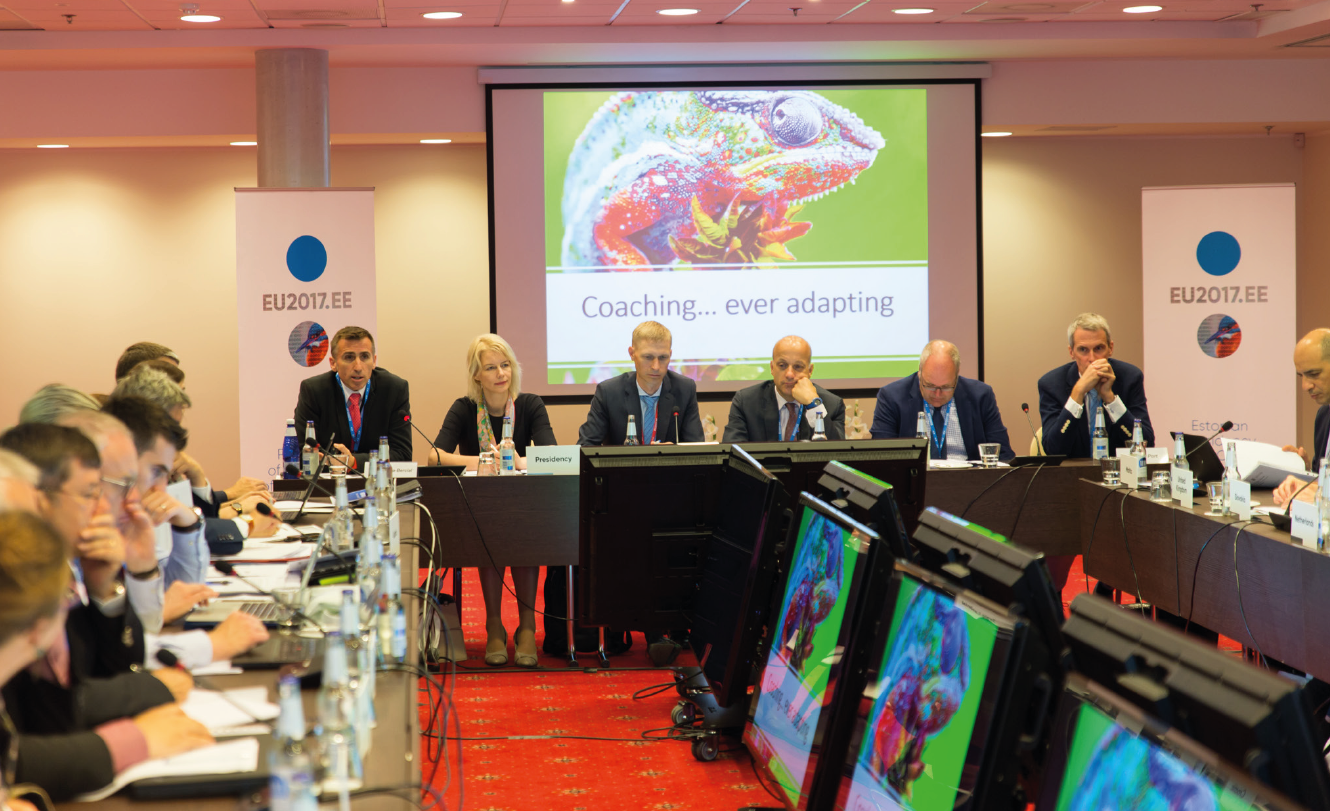
Photo: Kultuuriministeerium
Which key policy documents and initiatives were adopted during your Presidency, and what do you consider as its highlights?
The Council of the European Union adopted two key policy documents in the field of sport:
- the Council Conclusions on the Role of Coaches in Society and
- the Council Resolution on Further Developing the EU Structured Dialogue on Sport.
Raising the topic of coaches and recognising their contribution—not only within sport but to society more broadly—was an important milestone. According to the International Council for Coaching Excellence (ICCE), there are around 9 million coaches in Europe, influencing up to 100 million Europeans. Yet their wider societal role had never been addressed at EU level. The Conclusions recognised coaches as educators, mentors, and motivators—not merely trainers of athletes.
The Resolution on EU Structured Dialogue strengthened cooperation between EU institutions, Member States, and the sport movement. It expanded the dialogue beyond high-level exchanges to include operational-level discussions among sport executives, making EU sport policy more inclusive and better connected to practitioners.

Photo: Kultuuriministeerium
A highlight of the Presidency was the first-ever participation of IOC President Thomas Bach in the EU Council’s policy debate on sport— an important milestone in the context of adopting the Structured Dialogue Resolution.
Another milestone was the Tartu Call for a Healthy Lifestyle — a European Commission initiative signed by two Commissioners at the opening of the European Week of Sport in Tartu. It underscored the importance of healthy lifestyles and cross-sectoral cooperation across health, sport, education, and food policy. I am especially proud that such an influential initiative carries the name of my hometown.
What events were organised during your Presidency, and how did they contribute to your priorities?
We organised two international conferences on sport:
- “The Role of Coaches in Society: Adding Value to People’s Lives” in Tallinn, which brought together around 200 participants from 30 countries,
- “Sport, Education, University: Joining Forces for Athletes’ Dual Careers and an Active Society” in Tartu, with around 160 participants.
We also hosted the informal EU Sport Directors’ Meeting, organised a dual-career workshop with TASS, and marked the International Day of University Sport (IDUS). These events brought world-class experts to Estonia and provided platforms to discuss current issues in sport policy and governance.
Together with the European Commission and Club Tartu Maraton, we organised the official opening of the European Week of Sport 2017 in Tartu, which gathered around 3,000 children and young people.
How large was the Estonian Presidency team, and how did your cooperation work in practice?
Our sport-sector team was small. The core consisted of four people — myself as Chair of the EU Council Working Party on Sport, Deputy Chair Margus Klaan, our Brussels-based assistant, and a colleague responsible for organising Presidency events.
Around us, we built a support network of about ten professionals. Fore example, we set up a drafting team that included top experts on coaching qualifications and a representative of the Estonian Anti-Doping Agency to address WADA-related issues. Another highly capable team managed conferences and side events.
Cooperation with the minister and the ministry’s communications department was truly excellent. Our teamwork was built on trust, short decision-making lines, and shared motivation. I believe the success of our Presidency stemmed from this unity and from our confidence that Estonia could make a meaningful contribution to European sport.
What were the main challenges during your Presidency?
Already at the very first Working Party meeting, one Member State expressed concern that adopting the Council Conclusions on the Role of Coaches in Society would be too ambitious. National systems differ widely—coaching is a regulated profession in some countries and largely voluntary in others. Achieving consensus among 28 Member States required intensive consultation, but ultimately all delegations recognised the value of promoting coaching excellence and social responsibility.

Photo: Kultuuriministeerium
Another challenge involved securing the participation of IOC President Thomas Bach in the Council’s policy debate. Coordinating IOC protocols and Council procedures was not easy, as the IOC President had never before taken part in such a debate at EU level. His subsequent visits to EU institutions helped strengthen dialogue further.
How do you assess the legacy of your Presidency today?
The legacy of the Estonian Presidency continues. The topic of coaches is firmly on the EU sport-policy agenda. In 2018, the European Commission established the Expert Group on Skills and Human Resources in Sport, which developed the EU Guidelines on Minimum Requirements in Skills and Competences for Coaches. In 2022, the Council adopted Conclusions on Empowering Coaches by Enhancing Opportunities to Acquire Skills and Competences. Since 2023, Erasmus+ has introduced mobility measures for sport-sector staff, including coaches. In 2027, Estonia will host a Peer Learning Activity on coaching.
The Structured Dialogue Resolution strengthened cooperation mechanisms, and the Tartu Call for a Healthy Lifestyle remains a landmark initiative—the first cross-sectoral EU initiative in sport, promoting collaboration and healthier, more active lifestyles.
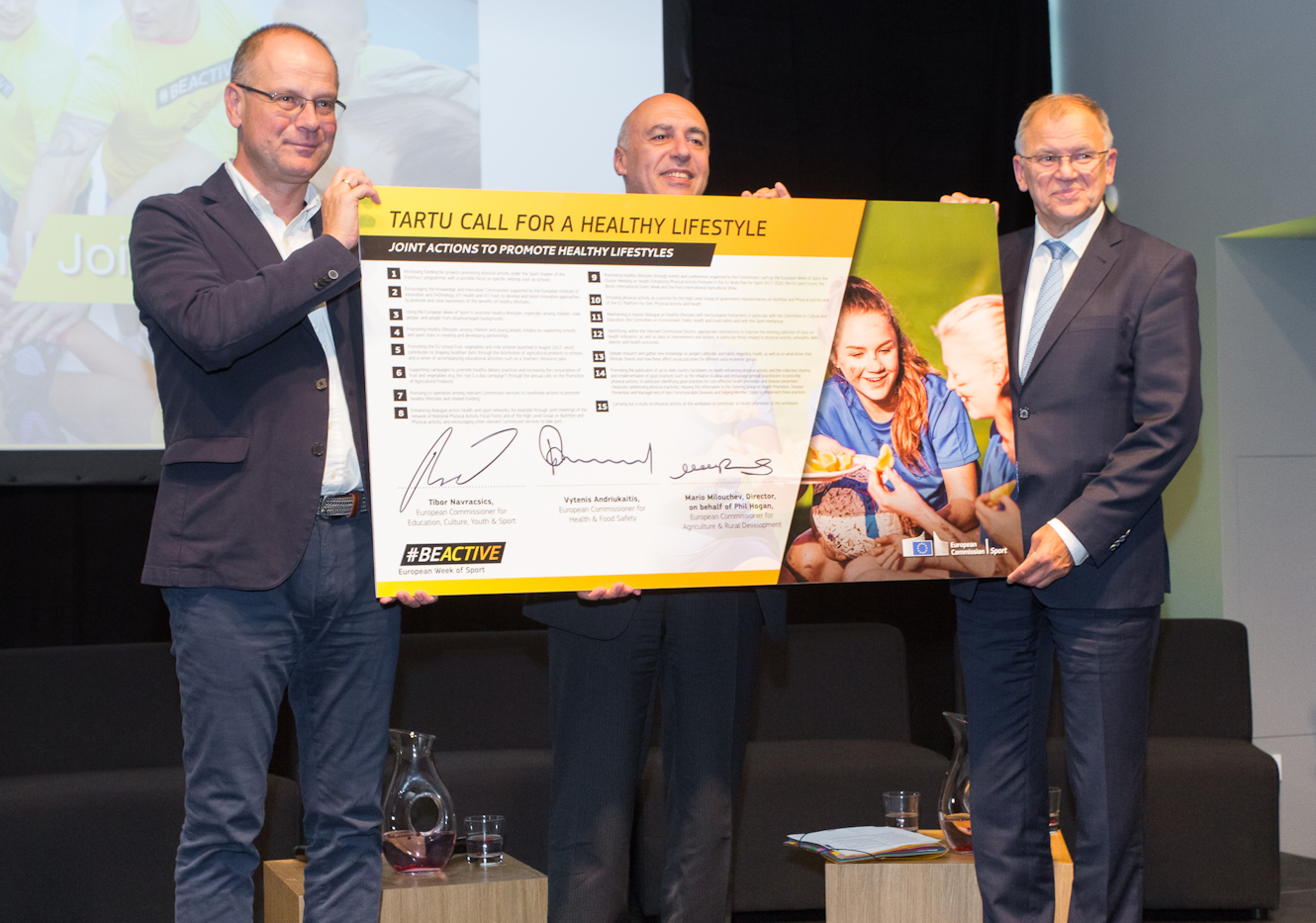
Photo: European Commission
How do you assess the impact of the Presidency on Estonian sport?
The Presidency was a very important milestone for Estonia. It strengthened our institutional capacity, international credibility, and professional confidence, bringing long-term benefits to sport governance.
The networks, partnerships, and trust established during the Presidency continue to support Estonia’s engagement in European policymaking. The Presidency also showcased national strengths in the field of sport —the Estonian Sports Register, the coaching-qualification system, and data-driven policy approach. It helped link these strengths with EU-level policymaking and demonstrated that Estonia’s digital expertise can make a meaningful contribution to sport governance.
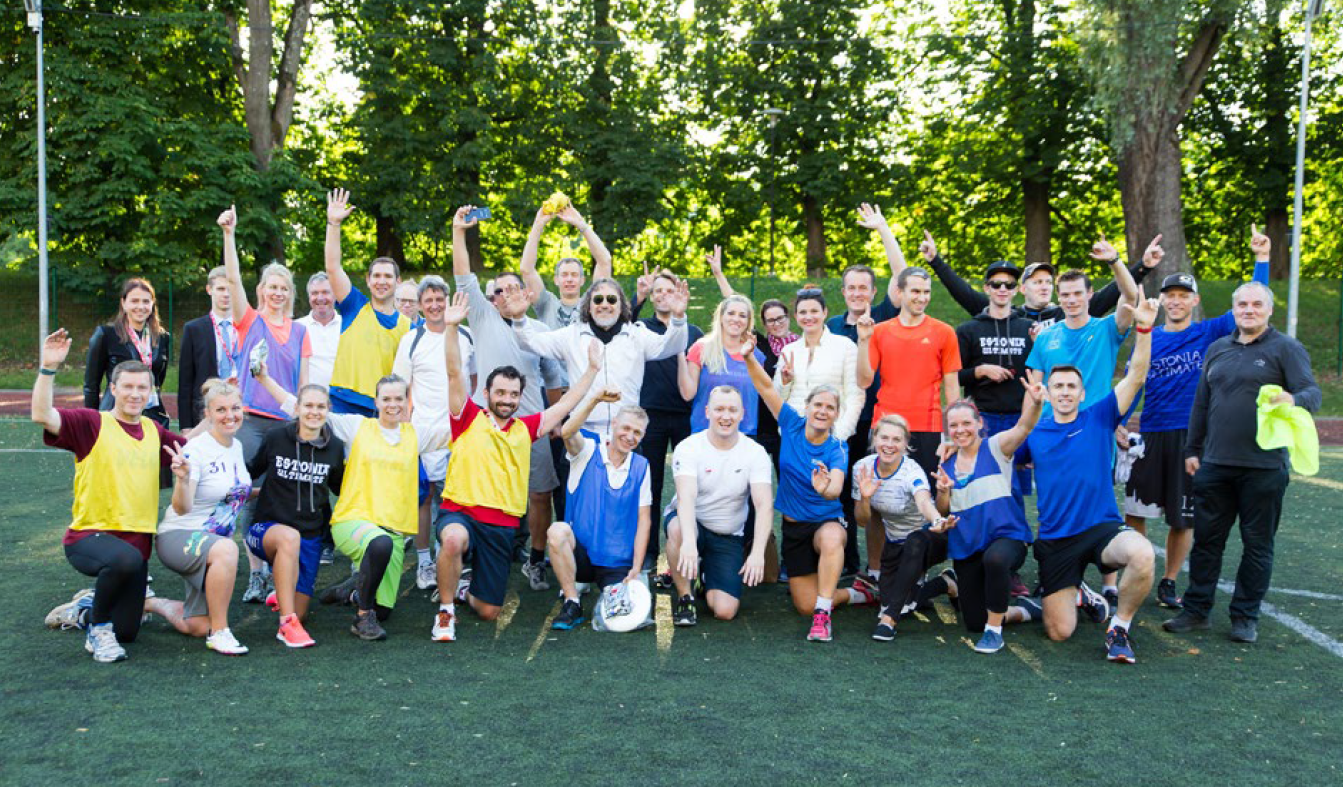
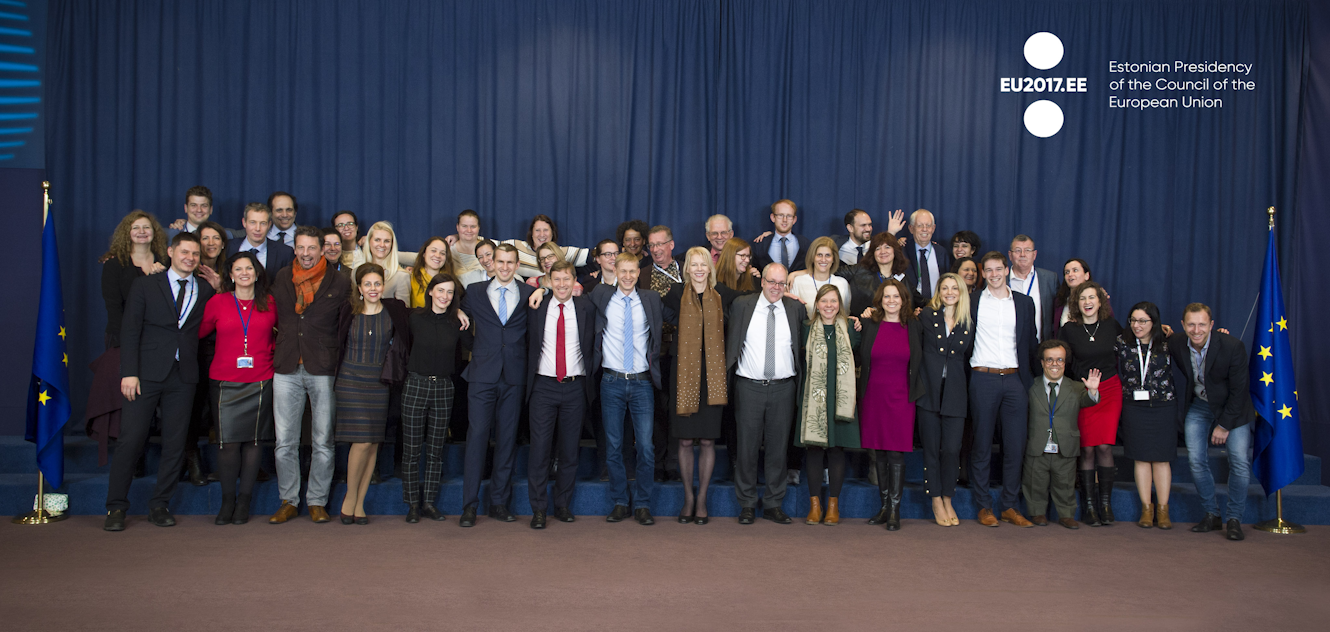
Photo: Kultuuriministeerium