Presidency
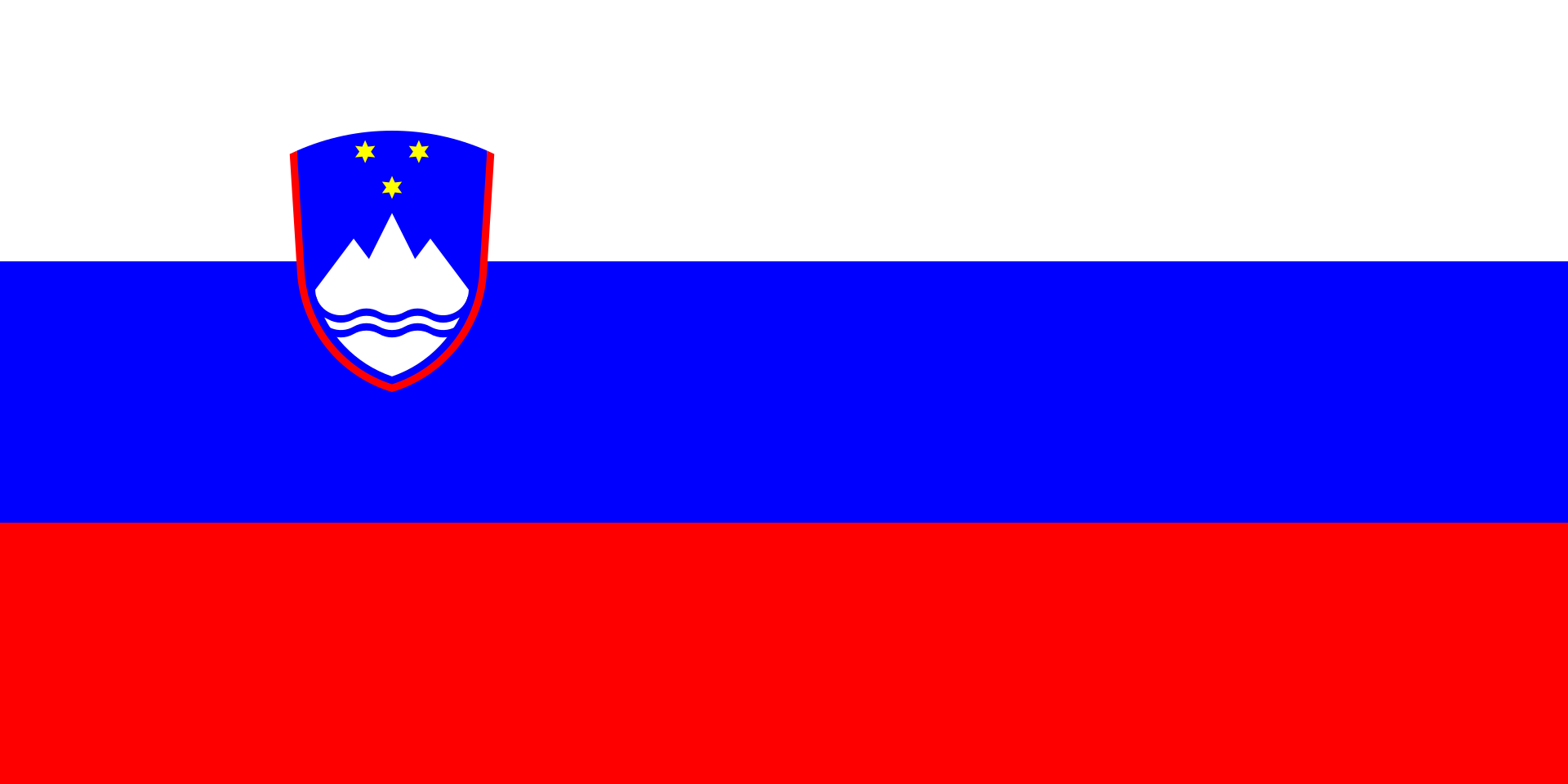 Slovenia
Period: July–December 2021
EU Council: 30.11.2021
Minister responsible: Simona KUSTEC, Minister of Education, Science and Sport
Sport Working Party Chair: Luka ZIVIC
Slovenia
Period: July–December 2021
EU Council: 30.11.2021
Minister responsible: Simona KUSTEC, Minister of Education, Science and Sport
Sport Working Party Chair: Luka ZIVIC
Adopted EU Council Policy Documents
Policy Debate
Topic: Athletes' dual careers.
These conclusions recognise that lifelong physical activity is vital for maintaining physical and mental health, preventing diseases, enhancing quality of life and reducing pressure on health systems.
They call on Member States to adopt a life-course approach—ensuring physical activity opportunities from early childhood through old age—and to embed monitoring systems for physical fitness and activity that generate comparable data across the EU.
They call on Member States to adopt a life-course approach—ensuring physical activity opportunities from early childhood through old age—and to embed monitoring systems for physical fitness and activity that generate comparable data across the EU.
The document invites cross-sectoral cooperation across health, sport, education, transport and urban planning to create environments conducive to movement and activity. It encourages the sport movement, public authorities and other stakeholders to use digital tools for fitness monitoring, communicate tailored messages, and engage under-represented groups in active lifestyles. By strengthening evidence, data and multi-stakeholder strategies, the conclusions aim to support a shift towards truly lifelong engagement in physical activity.
The document sets out the defining features of the “European Sport Model” as characterised by voluntary structures, grassroots-to-elite pyramidal organisation, promotion and relegation, financial solidarity, good governance, athlete protection, openness, integrity and gender equality.
It emphasises that sport in Europe is built on the freedom of association, social and educational functions, and an inclusive ethos linking community clubs with top-level performance.
It emphasises that sport in Europe is built on the freedom of association, social and educational functions, and an inclusive ethos linking community clubs with top-level performance.
Member States and sport organisations are invited to safeguard these values by reinforcing governance structures, supporting grassroots participation, ensuring athlete rights, and preserving the link between amateur and professional sport. The document calls on all actors to respond to challenges such as governance deficits, corruption, commercialisation, human‐rights risks and financial inequality, in order to protect the integrity and future of sport in Europe.